 Patient Forms
 REFERRALS

How Long Does a Palate Expander Take? A Stage-by-Stage Timeline
If your child has been told they need a palate expander, one of the first questions is usually about time. How long does it take to put in, how long until it is working, and how long before it comes out? This guide walks through each stage of expander treatment so you know what to expect at Ellenbrook Orthodontics in Perth's northern suburbs.
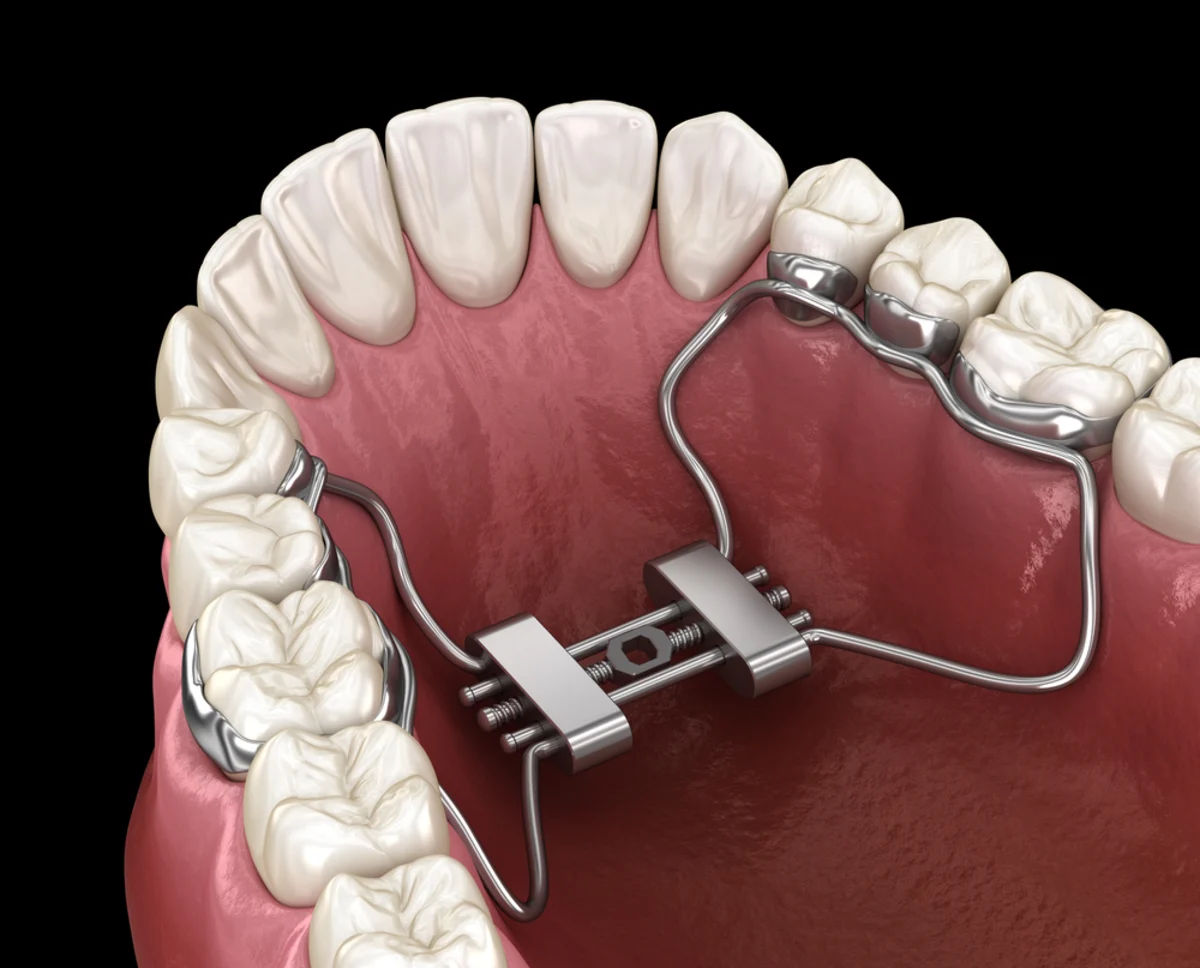
A palate expander (sometimes called a palatal expander) is a device that gently widens the upper jaw to create space for teeth and to improve how the bite fits together. Because it works with natural jaw growth, timing matters, and most families want a realistic picture of how long each step takes before they start. Below is a plain-English timeline for the whole journey, from the first turn of the key to the day the appliance comes out.
Every treatment plan is individual, so the figures here are typical ranges rather than promises. Your Specialist Orthodontist will give you a personalised timeline after a proper assessment. If you would like the bigger-picture overview of what expanders do and the different types, our complete guide to orthodontic expanders is a good place to start.
How long does it take to get a palate expander put in?
The fitting appointment itself is short. Before the day, we take records and scans so the expander is custom-made to fit your child's teeth. At the fitting, the appliance is cemented onto the back teeth and checked for a snug, comfortable fit. This part is usually quick and comfortable, often taking around half an hour, and it does not involve any drilling or injections.
Most children settle in within the first few days. There may be a little pressure, a slight lisp or extra saliva at first, and these usually ease as the mouth adjusts over the first week or so.
How long does a palate expander take to work?
The active part of treatment, when the jaw is actually widening, is usually the shortest and most noticeable phase. During this stage you turn a small key in the centre of the expander to apply gentle pressure, following the schedule your orthodontist gives you. Many plans ask for one turn a day, but this varies by case, so always follow the specific instructions you are given rather than a general rule.
Active expansion commonly takes a few weeks to a couple of months, depending on how much width is needed. A small gap may appear between the two front teeth during this time, which is a normal sign the expansion is working and usually closes on its own.
How long does the expander stay in after it has finished widening?
Reaching the target width is not the end of the process. Once the jaw is wide enough, the expander stays in place, no longer being turned, to let new bone settle and stabilise in its new position. This retention phase typically lasts several months.
Leaving the appliance in during this stage is what protects your result. Removing it too early can allow the jaw to narrow again, so this quiet waiting period is an important part of why expander treatment is worthwhile.
The full palate expander timeline at a glance
| Stage | What happens | Typical time |
|---|---|---|
| Fitting appointment | Expander is custom-fitted and cemented in place | Around 30 minutes |
| Settling in | Adjusting to pressure, speech and eating | First few days to a week |
| Active expansion | Daily turns gradually widen the jaw | A few weeks to a couple of months |
| Retention (settling the new width) | Appliance stays in while bone stabilises | Several months |
Added together, most expander treatments run across the better part of a year from fitting to removal, with only the first part of that involving active turning. Your exact plan depends on how much expansion is needed and how your jaw responds.
What is a palate expander for?
An expander is most often recommended when the upper jaw is too narrow for the teeth or does not meet the lower jaw correctly. Creating more width can help relieve crowding, make room for teeth that are still coming through, and correct a crossbite where the upper teeth sit inside the lower teeth. It is frequently part of early, growth-guided treatment for children, which is why timing around jaw development is so important.
Because younger patients' jaws are still developing, expanders tend to work efficiently at this stage. You can read more about growth-guided care on our kids orthodontics and teen orthodontics pages, and about fixed appliances on our braces page if your child moves on to a second phase of treatment later.
Does the timeline change for teenagers or adults?
The best results from jaw expansion generally come while the jaw is still growing, which is why expanders are so common in children and younger teens. In older teens and adults the jaw is firmer, so the approach can differ and timelines may be longer. If expansion is being considered for an older patient, your Specialist Orthodontist will explain the most suitable option and what to expect for your individual case.
Caring for the expander so treatment stays on track
Good habits keep treatment running to time and avoid delays:
- Brush carefully around the appliance after meals and use a water flosser or interdental brush to clear trapped food.
- Avoid sticky, hard and chewy foods that could loosen or damage the expander.
- Keep to the turning schedule you are given, and never adjust it without checking with the clinic.
- Come to your review appointments so we can confirm the jaw is widening evenly.
If the appliance ever feels loose, a turn will not go in, or your child is in real discomfort, contact the practice promptly so we can check it. Catching small issues early keeps the timeline on course.
FAQs
FAQs
How long does it take to get a palate expander put in?
How long does a palate expander take to work?
How long does the expander stay in altogether?
What is a palate expander used for?
Does getting a palate expander hurt?
Can adults have a palate expander?
Wondering whether your child needs an expander, or where they are up to in treatment? A specialist assessment gives you a clear, personalised timeline. The first visit at Ellenbrook Orthodontics is a thorough check with your Specialist Orthodontist, not a sales pitch, and you will leave knowing whether to start now, wait, or simply monitor growth.
CONTACT US
Ready to transform your smile? Contact us!
Start your smile journey in Ellenbrook today.
Ellenbrook Orthodontics
62 Mornington Pkwy,
Ellenbrook WA 6069, Australia

Opening Hours
- Monday - Friday
- 8:00am - 5:00pm
- Saturday - Sunday
- Closed