 Patient Forms
 REFERRALS
Clear Braces vs Clear Aligners: Which Discreet Option Suits You?
Choosing a low-visibility orthodontic option can feel like splitting hairs. Ceramic braces and clear aligners both aim for the same outcome, yet they live very differently in day-to-day life.
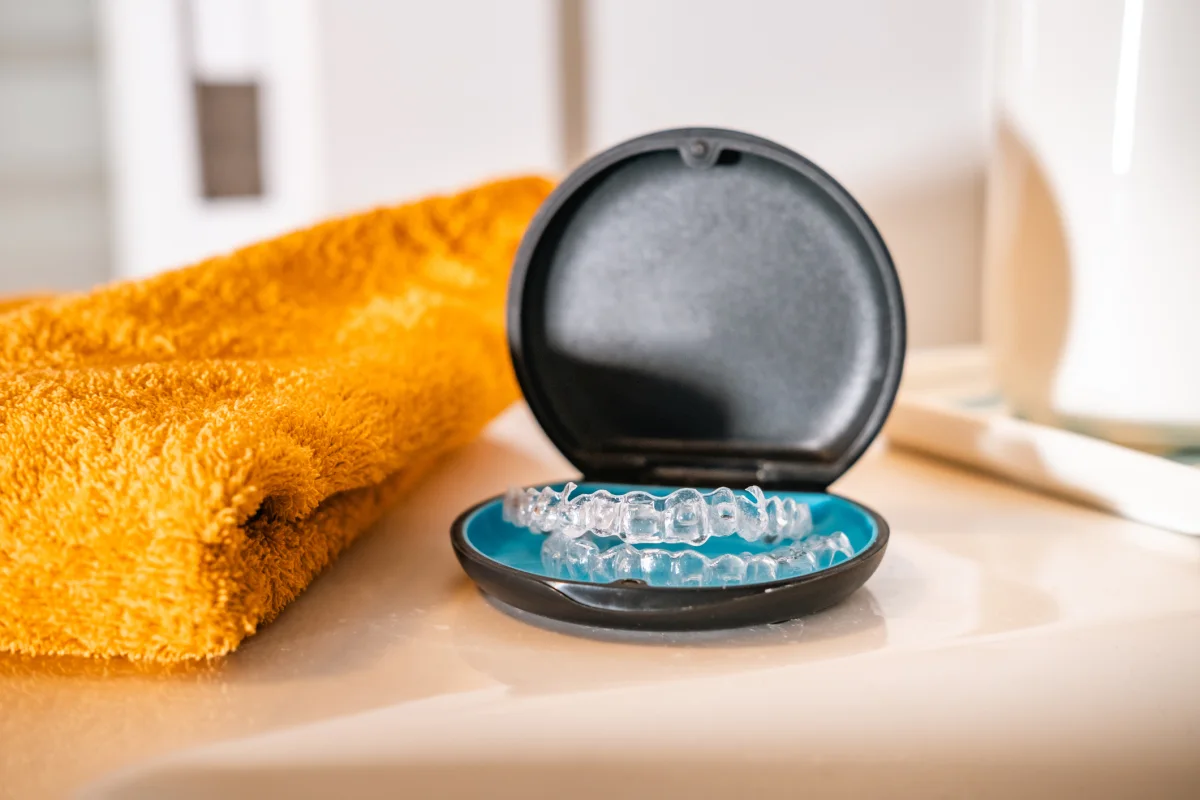
This guide compares how each option looks and feels in real situations across Ellenbrook and Perth’s northern suburbs. You will find practical notes on visibility at conversational distance, comfort, eating, hygiene, sport, compliance, review rhythm, and which bite issues each option tends to suit. We will also outline typical Australian fee ranges and how to plan payments with transparency.
If you prefer calm, specialist guidance before you decide, a consultation with a Specialist Orthodontist provides a personalised plan and a written quote to take home.
What Looks Most Discreet in Real Life?
From a talking distance, ceramic braces blend with tooth colour. The brackets are tooth-toned and can be paired with tooth-coloured wires. Up close, you can still see them, but they do not catch the eye like shiny metal. Elastic ties can pick up colour from coffee, tea, curry, or red wine, though they are changed at review visits.
Clear aligners, such as Invisalign® or Angel Aligners, are thin removable trays that sit over the teeth. They are very low profile in photos and everyday conversation. Small tooth-coloured attachments may be placed on some teeth to help with movements. Most people do not notice them unless they are looking carefully.
In short, aligners are often the least visible. Ceramic braces are still discreet and keep a consistent look all day without needing to remember wear time.
Comfort and Speech
Both options usually cause mild tenderness for a day or two after placement or adjustments. Ceramic braces can rub lips or cheeks at first; orthodontic wax helps while soft tissues adapt. Aligners feel snug, with temporary pressure after each tray change. Speech changes are generally minor and settle quickly with both.
Eating and Drinking
Ceramic braces stay on for meals. You avoid hard, crunchy, or sticky foods to protect brackets and wires. Cutting food into smaller pieces helps.
Aligners are removed for eating and drinking anything other than cool water. This gives full food freedom while trays are out and supports hygiene. The trade-off is remembering to store aligners safely in a case and to brush or rinse before putting them back in.
Hygiene and Cleaning
Ceramic braces require careful brushing around brackets and along the gumline, plus flossing or interdental brushes. Keeping elastic ties looking their best may take a touch more diligence.
Aligners allow normal brushing and flossing since trays come out. Clean the trays with a soft brush and cool water. Consistency matters, as dry mouth and snacking with trays in can increase plaque risk.
Sport, School, and Active Lives
For contact sport, fixed braces pair well with a custom or boil-and-bite mouthguard. Metal brackets are most durable; ceramic brackets are robust but a little more brittle than metal. If your sport involves frequent knocks, your orthodontist may suggest metal on lower teeth or a hybrid plan.
Aligners can be removed for training and games, then worn with a mouthguard when required. Just remember to put them straight back in. For busy teens, that extra step needs a reliable routine.
Compliance and Lifestyle Fit
- Clear aligners: Need 20 to 22 hours of wear per day. They suit organised teens and adults who can maintain the routine at work, school, and while travelling. Missed wear can extend treatment.
- Ceramic braces: Always on, so tooth movement continues without daily decisions. They suit people who prefer set-and-forget predictability or know they will find constant aligner wear challenging.
If aligner compliance slips, a Specialist Orthodontist can adapt the plan. Some patients start in aligners and switch to braces for a smoother finish.
Suitability for Bite Issues
- Ceramic braces: Versatile for simple through to complex cases, including rotations, vertical changes, and detailed bite correction. They allow precise control and can pair with elastics or other auxiliaries.
- Clear aligners: Suitable for many mild to moderate crowding, spacing, and bite issues. Complex jaw corrections may need braces or a combined approach. Specialist assessment decides what is predictable and safe.
Review Rhythm and Daily Routine
- Ceramic braces: Reviews are commonly about every six weeks for adjustments and hygiene checks.
- Clear aligners: Check-ins are set to the case. Some reviews can be less frequent, with staged aligner deliveries and digital monitoring where appropriate.
Either way, you will see a Specialist Orthodontist at key stages.
Costs and Payment Options in Australia
Every case is different. After assessment you will receive a clear written quote with item numbers and inclusions. Typical Australian fee ranges for clear aligners are:
- Express or minor movement: about $2,500 to $4,500
- Lite or moderate: about $4,500 to $7,500
- Comprehensive: about $6,500 to $9,500+
Ceramic braces usually cost a little more than metal due to bracket materials and, in some cases, longer detailing appointments. Final fees depend on complexity, expected treatment length, and any adjuncts such as expanders or elastics.
Interest-free payment plans are common, with examples starting from around $60 per week, subject to case details. Many extras insurance policies include orthodontic benefits, but waiting periods and limits vary. The team can supply item numbers and help structure claims.
For a transparent breakdown, see the practice’s costs and inclusions page or book a consult to receive a written plan.
Real-World Chooser’s Checklist
- You want maximum discretion with food freedom and excellent hygiene control: clear aligners.
- You want discreet but forget-proof progress with strong bite control: ceramic braces.
- You play contact sport often or are tough on appliances: talk durability with your orthodontist; metal in some areas might be recommended.
- You know daily wear rules will be a challenge: ceramic braces.
- You love routines and can hit 20 to 22 hours daily: clear aligners.
FAQs
Are clear braces worth it?
Are clear braces expensive?
How much do transparent braces cost?
How much do clear aligners cost in Australia?
Local Support in Ellenbrook and Perth’s Northern Suburbs
Specialist assessment is the safest way to match your lifestyle with the right appliance. At Ellenbrook Orthodontics you will receive a calm, thorough consult, photos and radiographs, and a personalised plan with a clear written quote and payment options.
If you are comparing options now: explore Invisalign® information if you want to understand how aligners are planned and reviewed in Perth; if you prefer fixed but discreet, read more about ceramic braces and how they look day to day.
Summary and Next Steps
Both clear aligners and ceramic braces can be discreet and effective. Aligners suit organised wearers who want mealtime freedom and minimal visibility. Ceramic braces suit those who want predictable progress without remembering daily wear, with strong control for complex movements. Fees vary; expect transparent quoting, item numbers, and flexible payment options.
Ready to see what fits your life and bite goals? Book a consultation in Ellenbrook for a personalised plan, realistic timelines, and a written quote.
CONTACT US
Ready to transform your smile? Contact us!
Start your smile journey in Ellenbrook today.
Ellenbrook Orthodontics
62 Mornington Pkwy,
Ellenbrook WA 6069, Australia

Opening Hours
- Monday - Friday
- 8:00am - 5:00pm
- Saturday - Sunday
- Closed